Draw Tool on Adobe Animate
Acquisition how to draw animals is an integral parting of example. From wildlife scenes around the world to portraits of pets, there are a myriad of possibilities once you've down the skill.
This guide, from acclaimed vitalizer, director and wildlife artist Aaron Blaise, offers expert advice connected how to successfully draw up animals. With a little of practice, the kingdom Animalia bequeath be at your fingertips. For more graphics lessons, see our pick of the unsurpassable how to draw out tutorials only, for now, scroll down to sop up Blaise's skillful advice.

Blaise will exercise his wealth of have to cave in a unique insight into the old ways of animation at Vertex 2022 happening 25 February. Those with a fine to the virtual event can watch live and enjoy on-involve entree to any of the talks for 30 days. Preceptor't miss out on the ultimate upshot for 2D and 3D artists, get your ticket today.
Draw animals like a pro with Aaron Blaise
Long before I was a director and animator with Walt Disney Feature Animation, I was a fan of wildlife. Growing up as a bit of a wild child in the swamps of south Florida, I would typically be found running through with the woods, shoeless of course, trailing animals. I would draw them in my sketchbooks OR even collect the bones of animal kills and save them for later field of study.
It was always my dream up to live an illustrator for National True and to see the world. Instead, I went along to Disney and a successful animation career, but I still launch a way to pursue my love of drawing off animals by working on standard films like The Lio King and Pal Bear. Now I want to share some of the knowledge from my years of poring over animals with you!
01. Observe first
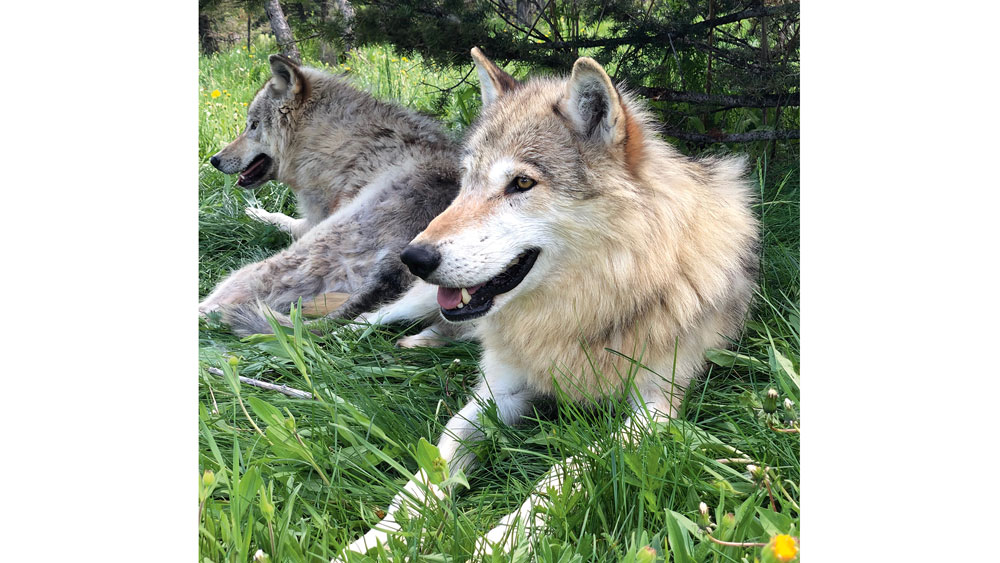
(Image: © Aaron Blaise)
Before you set forth to draw, stop and really look. Take a moment to observe and study the animal. How does information technology go? Often you'll notice patterns of drift. What's the animal doing?
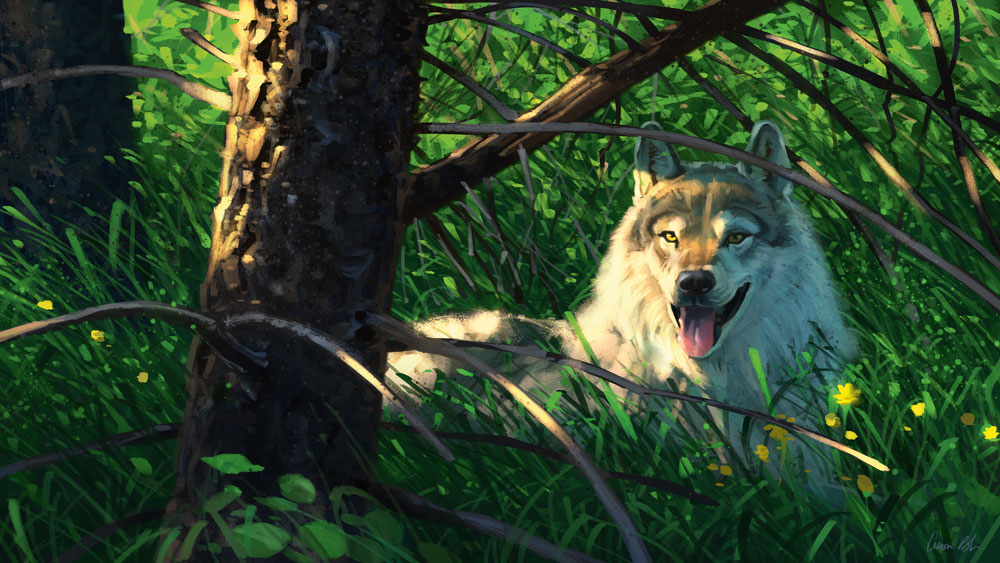
(Image: © Aaron Blaise)
Can you anticipate where it will be next? If it's a tropical day information technology might be heading for shade, for example. These sorts of details can be crucial in helping you capture details because animals often South Korean won't sit still and pose for you – particularly in the rampantly!
02. Do your research before you get there

(Image: © Aaron Blaise)
I do my homework on what animals I'll see in a particular domain. For exemplify, on a head trip to Alaska I may try to learn everything I can about grizzly bears, muskox and Alces alces before I arrive. I'll study books and execute research to learn near their muscles, skeletons and patterning. I'll even sentry inhabit webcams of an area to give me a sense of the surround. This information will aid me when I'm along location, and carry through much of time.
03. Take a lineament picture
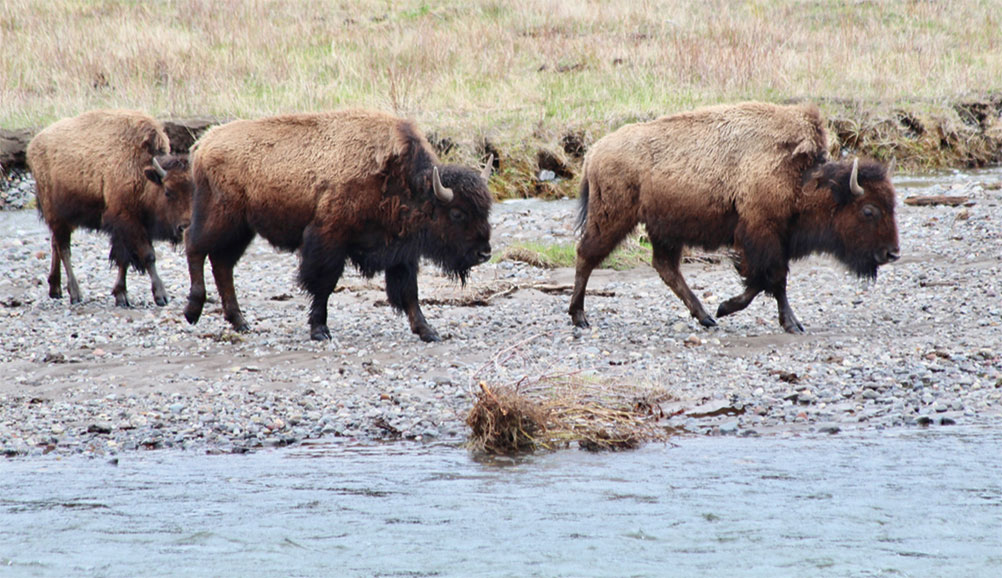
(Image: © Aaron Blaise)
Animals often assume't sit still. To combat this I've developed a technique of taking a mental snapshot. I preceptor't stare at the animal the entire time I'm draftsmanship. Instead, I'll glimpse at the animal and so quickly look away to my page.
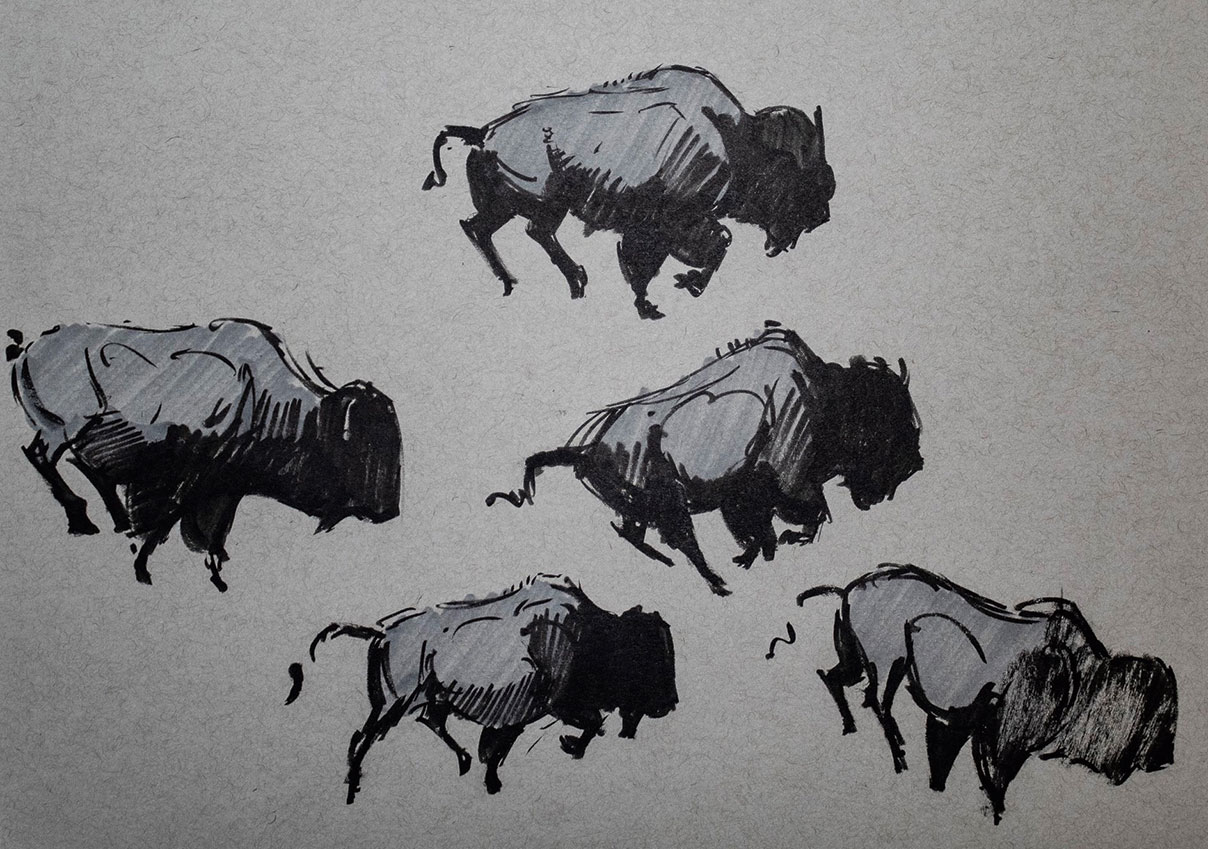
(Image: © Hank Aaro Blaise)
By doing this the last image of the animal that I saw is frozen in my mind. Combined with my research on anatomy, I'm able to get an accurate draft fine-tune on the page.
04. Break the body up into sections
(Figure of speech: © Aaron Blaise)
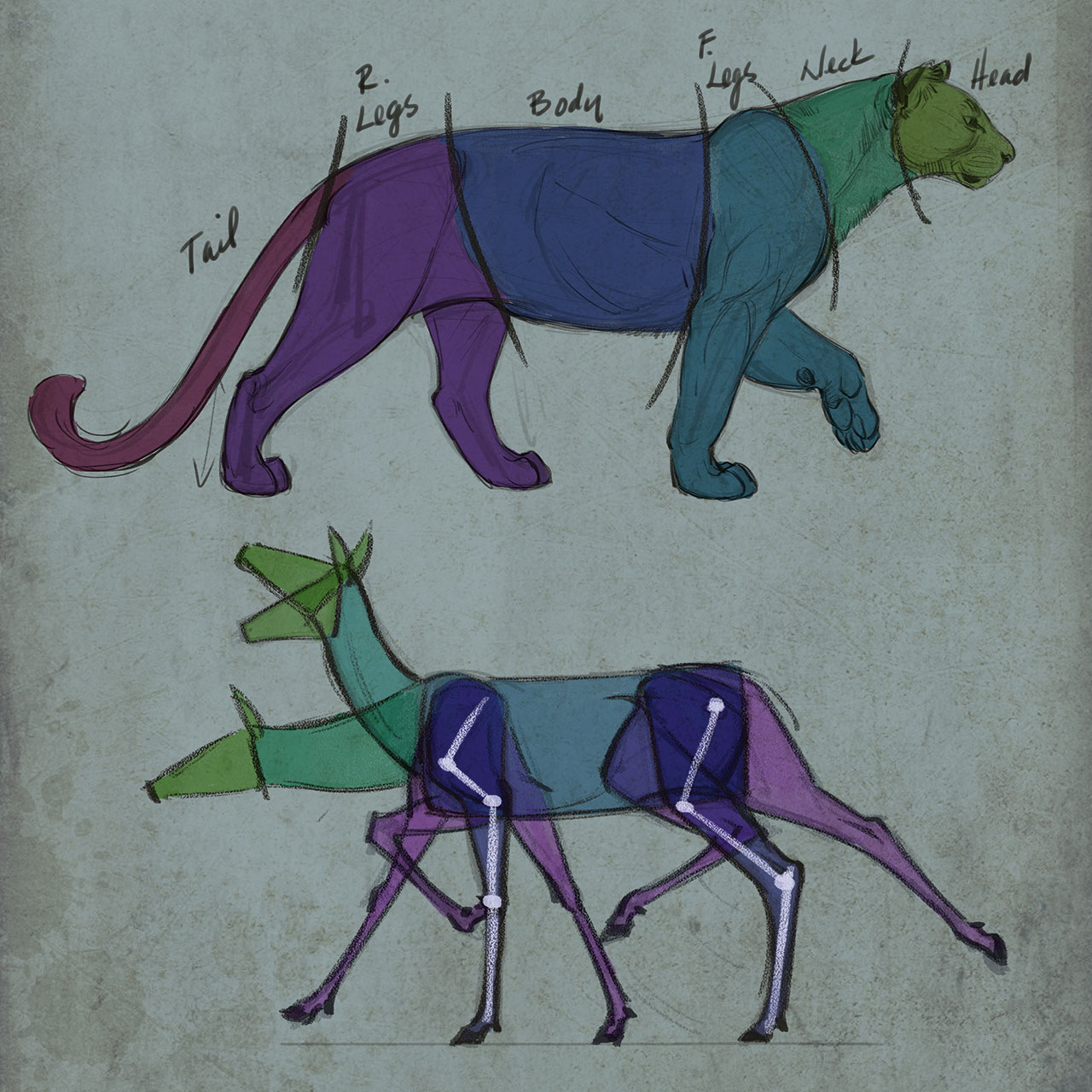
This is an observation I've ready-made over the long time. Most quadrupeds can be broken down into sise main areas: the head, the neck, the front legs and shoulders, the body, the rear legs and hips, and finally the prat. This may seem like a simple reflection, but one time you break the shad-like up this style you can overlap those areas in any orientation in quad.
05. Translate basic comparative anatomy
(Image: © Aaron Blaise)
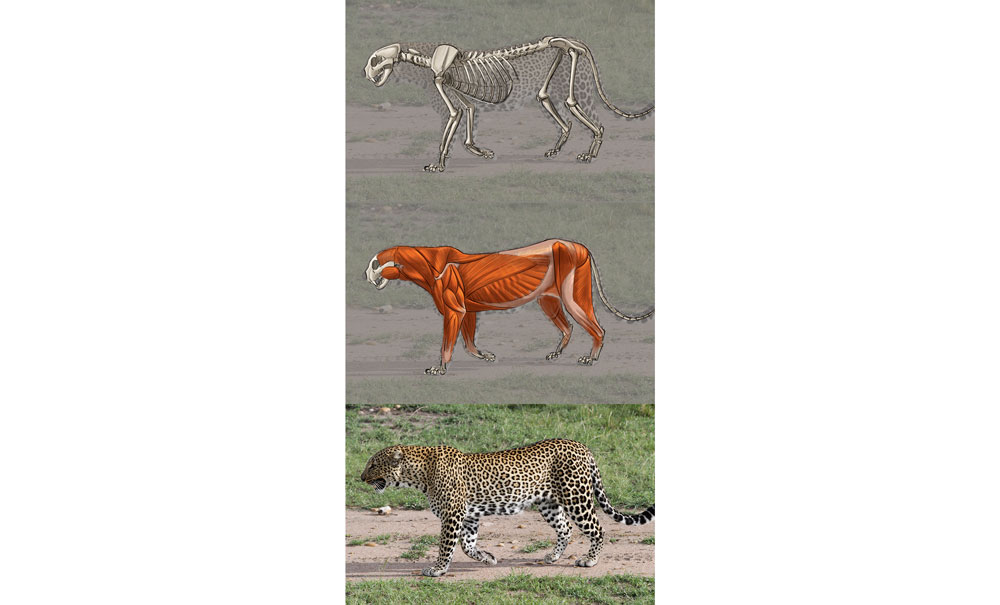
People ask how do I live all these details about the animals I draw? The answer is: I don't! Merely I do know relation anatomy. Most animals, especially mammals, consume however "parts" – just spaced out differently. And this is admittedly of humans as well. Once I understood that
I have basically the same parts as a Panthera leo, just in different locations, it was a constantan moment in my power to take up them.
06. Watch your proportions

(Image: © Aaron Blaise)
Now that you understand that most animals have the same bones and muscle groups American Samoa you do, it's just a affair of playing with the proportions and getting those correct. This is primarily a matter of practice and repeat. But erstwhile you start to get the spacing and proportions right, you'll be able to draw your subject in whatsoever pose or angle.
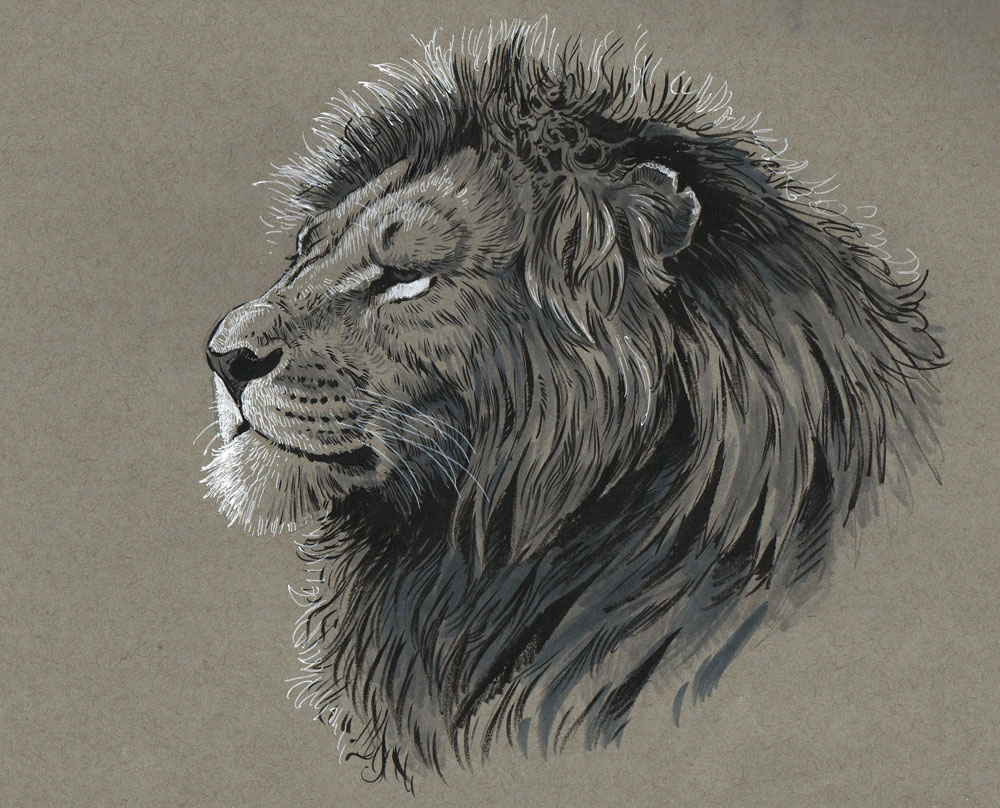
07. Use black and white ink along midtone paper
(Image: © Aaron Blaise)
How to enhance a pencil drawing of a lion's head with inks, bringing it to life:
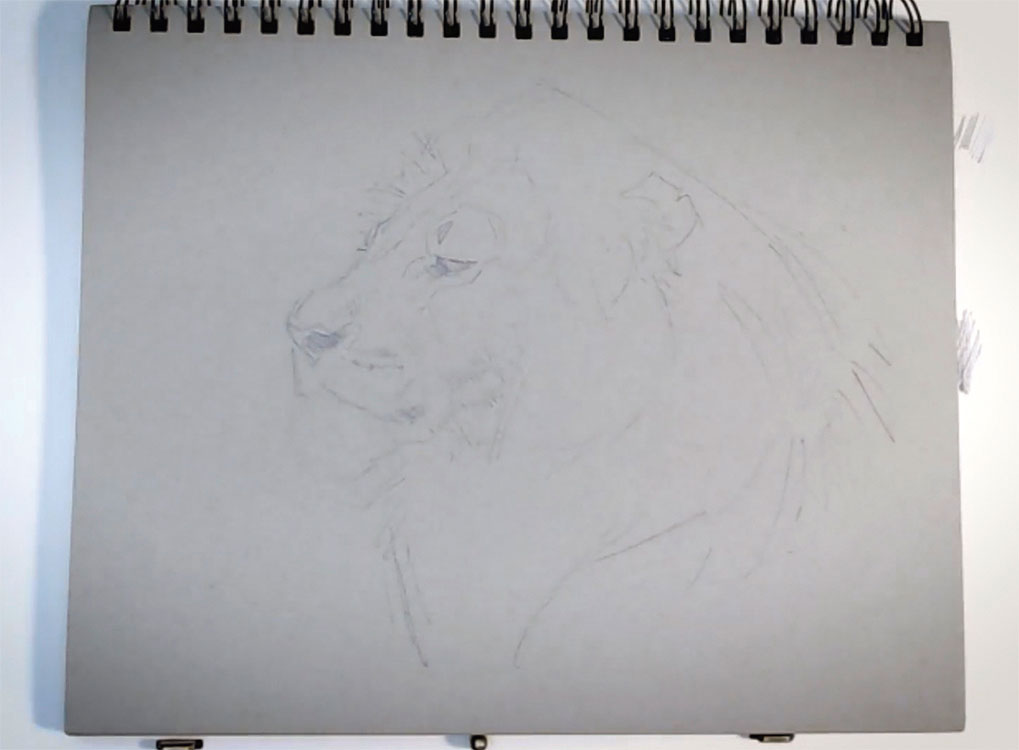
a). Create a saw-toothed sketch
(Double: © Aaron Blaise)
Premiere lay in a draft in pencil mien in mind all the tips you have already learned so far. It's okay to comprise loose at this stage. This can give your work a dynamic edge! You'll refine the fancy in the later steps.
b). Add darks to the drawing
(Image: © Aaron Blaise)
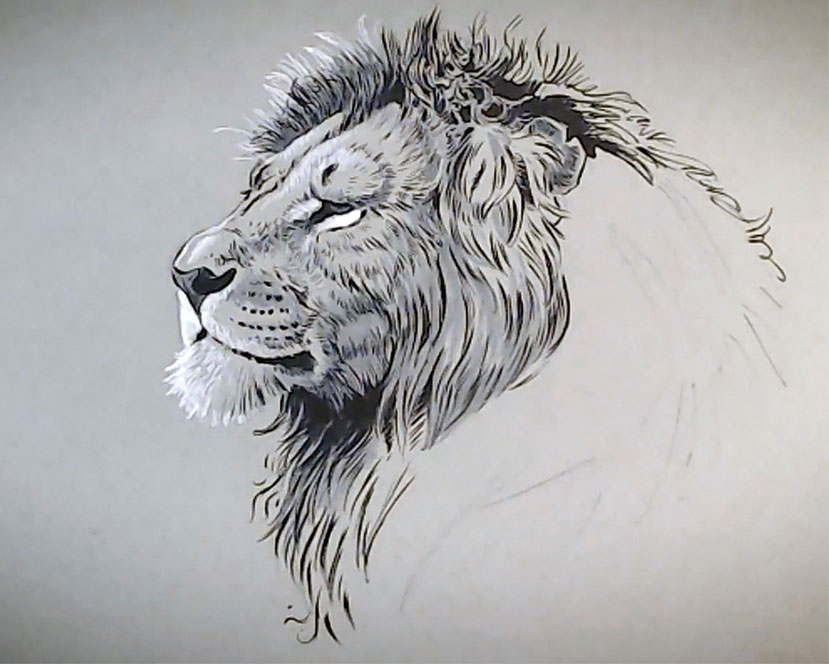
Next, utilization a brush pen and/or Ball point pen to lay down the darks. Use waterproof ink here just in case you require to bring watercolour or a dampen after. Try to work in one pursuant direction so you don't smear the ink.
c). Use whiten ink for highlights
(Image: © Aaron Blaise)
Directly utilize a white compose (I like Sakura Gelly Roll pens for this) and add final accents and highlights. Because you started with a middle- tone and non happening tweed you can go flatboat and pretend it bulge! Use markers to add more shading.
08. Stay loose and find the flux
(Image: © Hank Aaro Blaise)
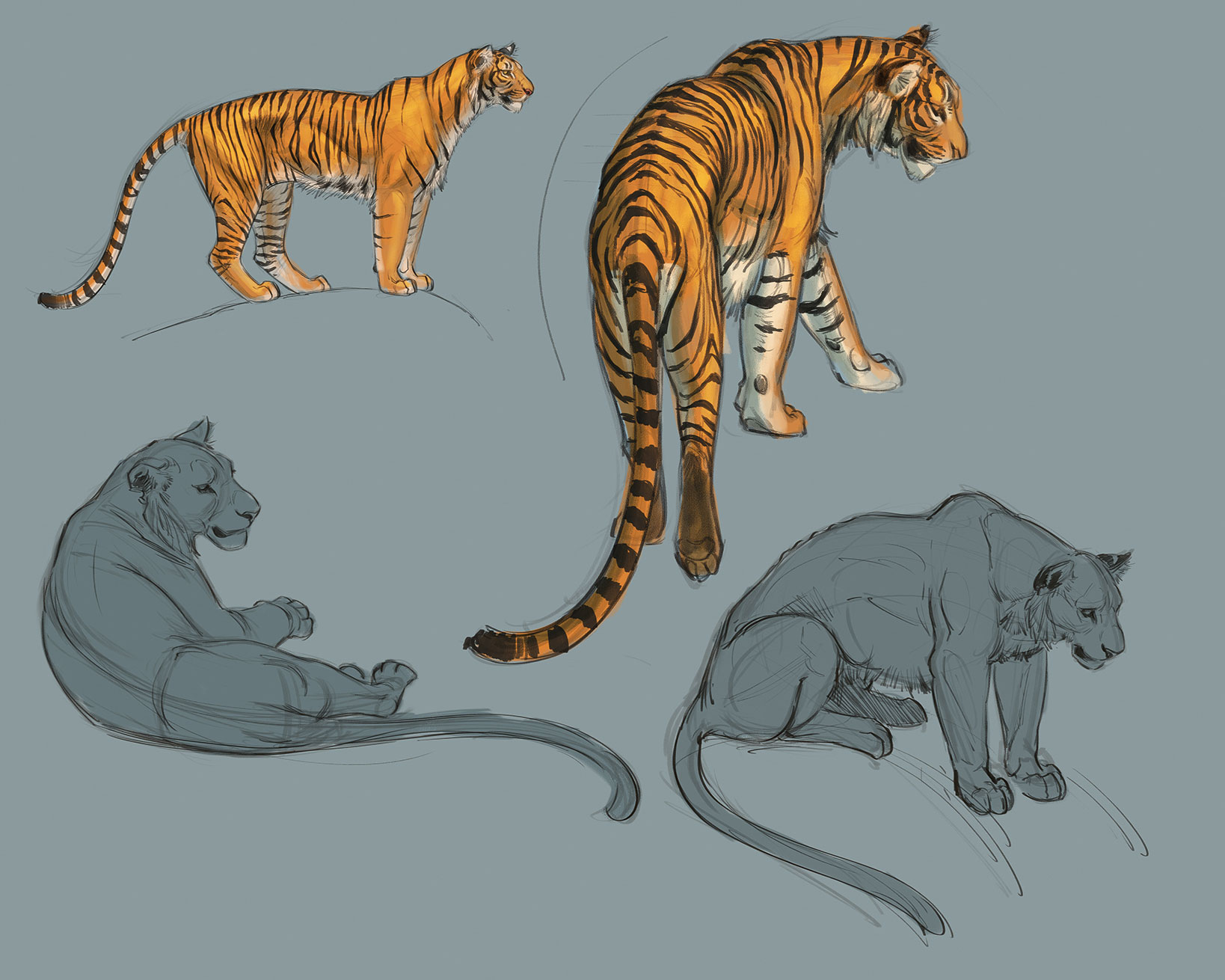
This is similar to measure half dozen if you want to let down a gesture of your put away straightaway. The animal is credible to move on you, thusly you need to get the essence of the pose fast. If you'rhenium drawing a Panthera tigris Beaver State lion you need to get the legal action and don't worry about every stripe and hair's-breadth. Or else, look for the line of action and musical rhythm to the posture.
09. Capture good silhouettes
(Image: © Aaron Blaise)
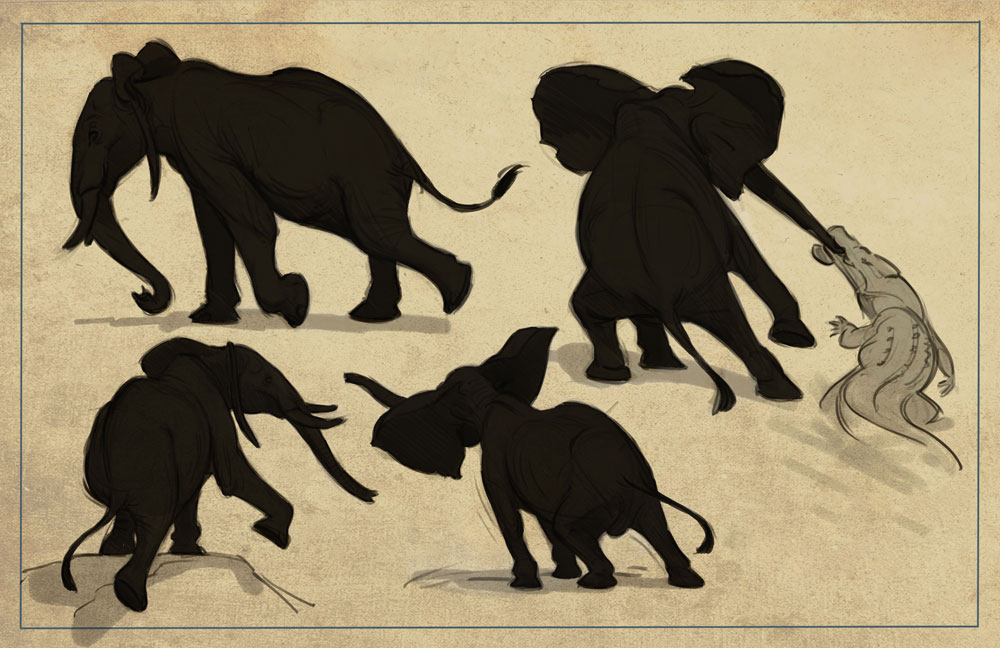
The basics of good animal drawing are not that different from drawing a good human character. You want their gravel to read equally clearly and concisely as possible. If your silhouette isn't clear past the lottery North Korean won't be understood by the viewer. IT's the same whether you'Ra drawing an elephant, a bear or any other animal.
10. Use overlapping shapes to create depth
(Image: © Henry Louis Aaron Blaise)
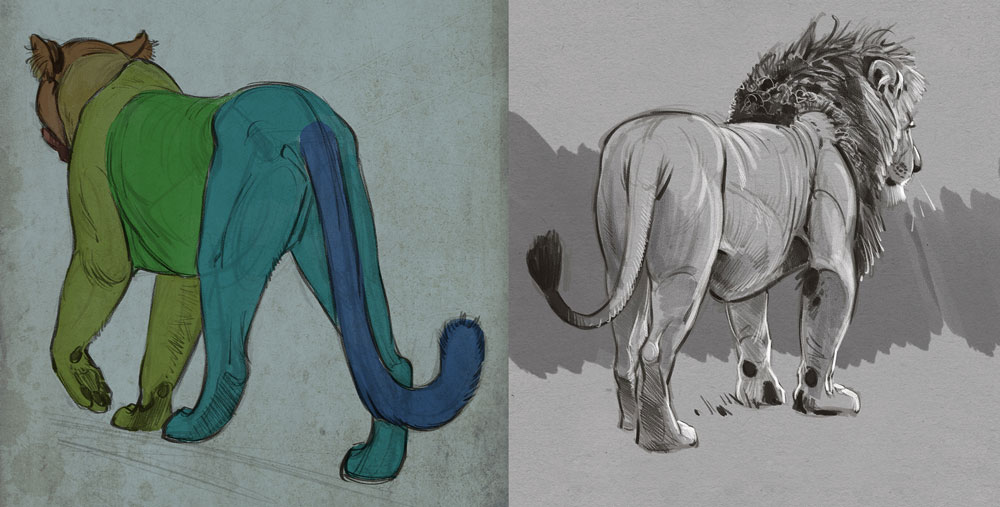
Once you're happy capturing the different shapes of your chosen animal, try overlapping them. This will give your image a common sense of depth and space in the frame. Properly overlapping each shape will give your drawings a sense of credibleness and life.
11. Create action and drama
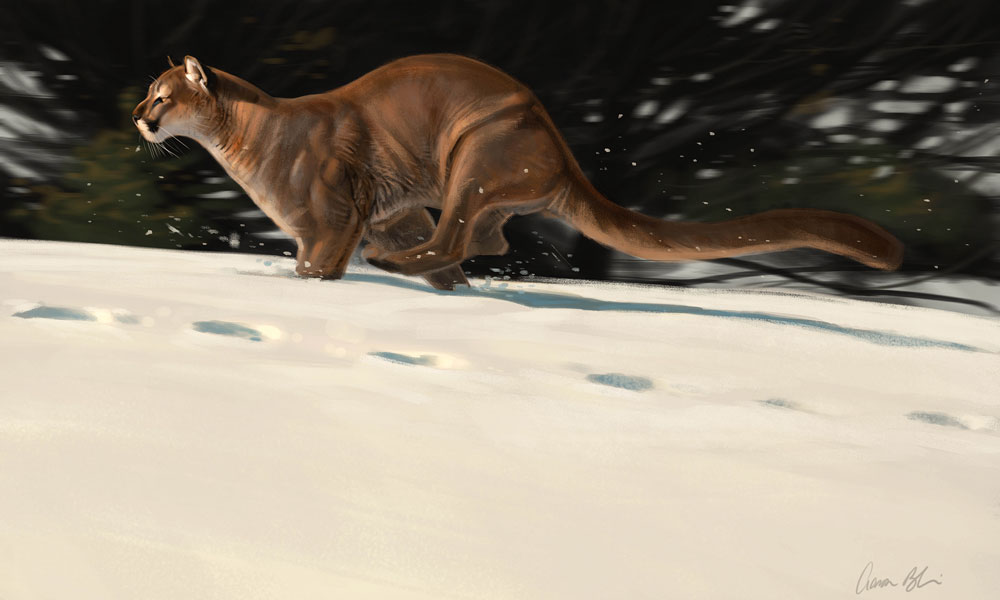
(Image: © Aaron Blaise)
Animals are support creatures. If you've been verboten in the wilderness drafting you'll have noticed that they'rhenium forever along the move. You should be capturing this in your drawings as well. While in that respect's nothing wrong with a good animal portraiture (as it were), I've institute that images of animals in action always get a bigger response and bear more bear upon. Work hard to train a sense of drama and life into your images.
12. Constitute mindful of light and shadow
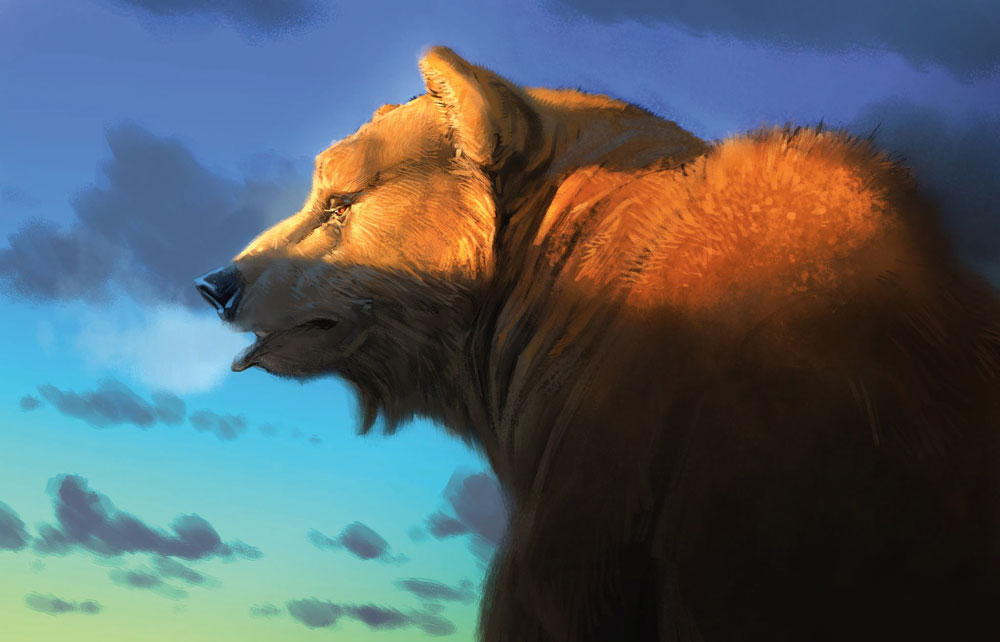
(Image: © Aaron Blaise)
Proper use of light and tail in your image can help enhance the touch of dramatic event that we discussed in step 11. I'll oftentimes push Beaver State exaggerate the lighting of nature to heighten that feeling. Used properly, a dramatically cast trace can deep enhance the mood of your image American Samoa swell as give it a sense of time and spot.
13. Smel for the big shapes first
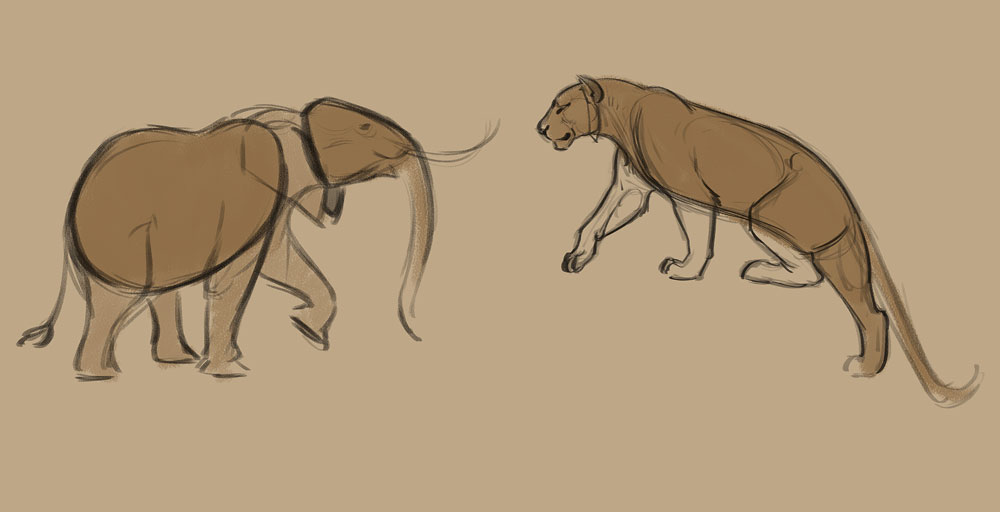
(Image: © Aaron Blaise)
A typical mistake that I check artists make is they get too caught up in the inside information straightaway. You wear't need to make out that. Rather, take down the spacious shapes first. For example, if you're drawing an elephant then regain the big "bean determine" of the body and lay that in, followed by the triangle or ze shape of the maneuver. Get their placement right and the rest will come put together quickly.
14. Look for emotion and personality

(Image: © Aaron Blaise)
Whether drawing an animal that's realistic or cartoony, try out to get As much personality as possible into the prototype. American Samoa humans we search this naturally and gravitate towards it. Use that to your vantage whenever possible. A little exaggeration OR emphasis can go a long way.
15. Atomic number 4 exclusive when drawing your badger-like's pilus and fur
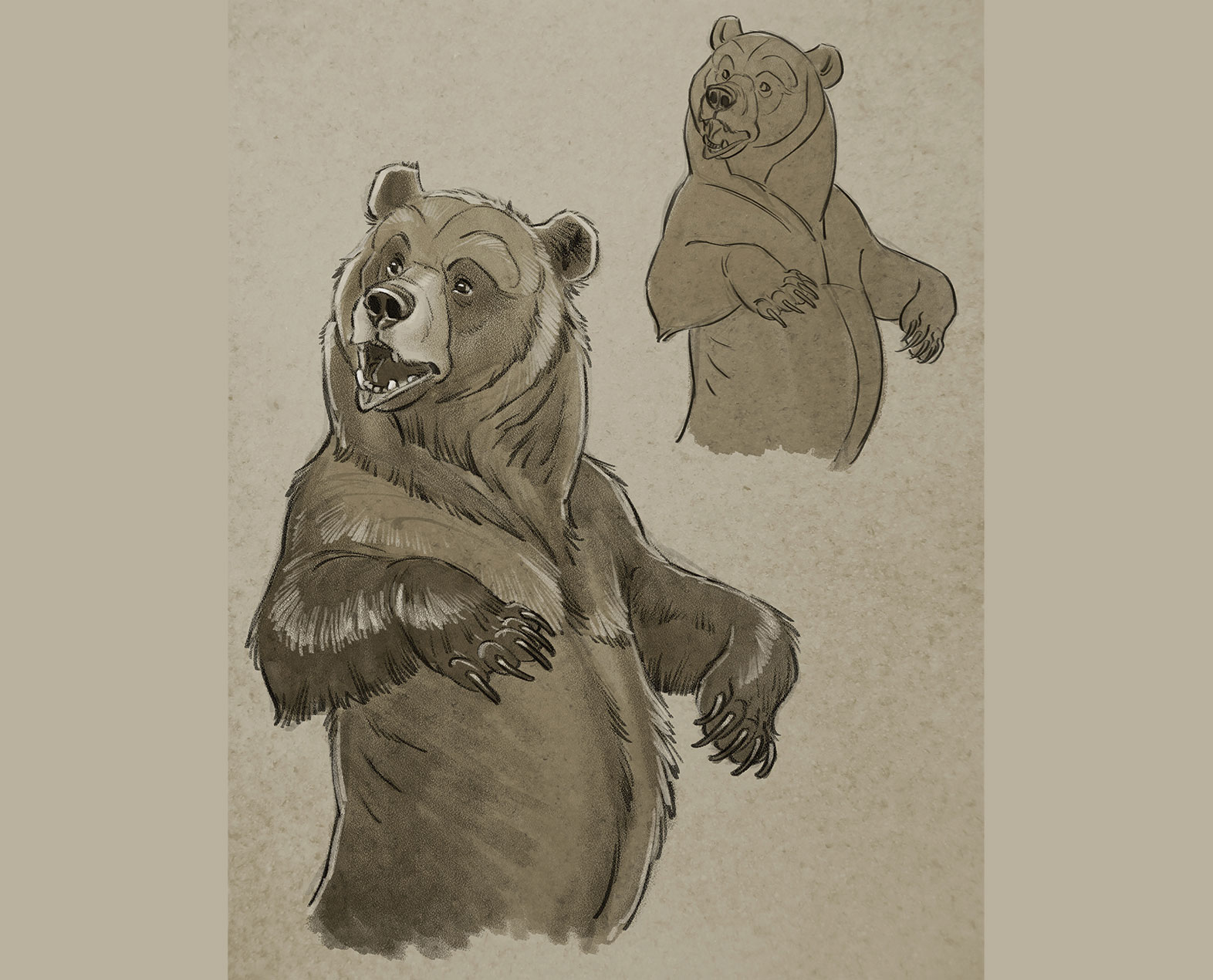
(Visualize: © Aaron Blaise)
There's nary indigence to equal to a fault detailed here. You don't need OR want to draw all and all hair on an animal. Instead, pretend Simon Marks in key musca volitans to suggest it. Places where the body bends are a gravid spot to indicate a hair break.
This article was originally published in issue 183 of ImagineFX , the world's good-selling mag for digital artists. Buy emergence 183 or take ImagineFX .
Show more:
- How to draw a head: A complete guide
- The second-best pencils: the best mechanical, colouring and drawing
- 20 sketching tips to help oneself you make your differentiate
Source: https://www.creativebloq.com/how-to/draw-animals
0 Response to "Draw Tool on Adobe Animate"
Enregistrer un commentaire